
Attractions in Alba Iulia
What to see in Alba Iulia
Almost everything revolves around Alba Carolina Citadel, one of the largest Baroque fortresses in Europe. Here are the landmarks you’ll find close to the house.
 Landmark
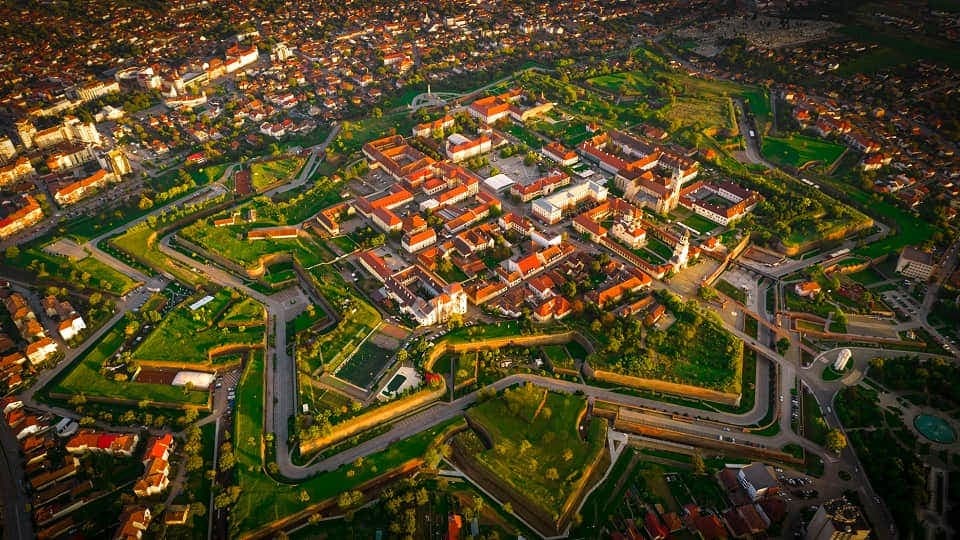
Alba Carolina Citadel
A Vauban-style star fortress with seven bastions, built by the Habsburgs between 1715 and 1738; the most imposing Baroque citadel in Transylvania.
Although built for major warfare, it was besieged only once — by Hungarian troops, over four months, in 1849.
 Landmark
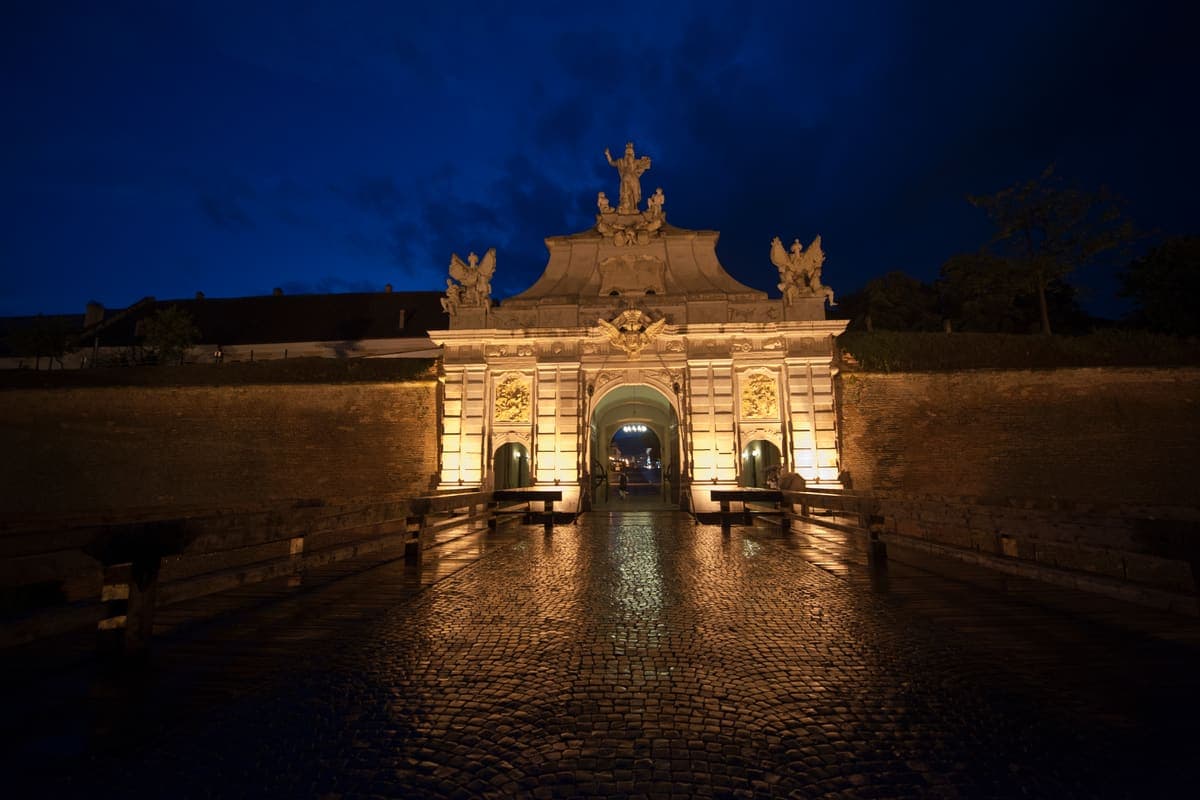
The Citadel Gates
The Citadel is distinguished by its succession of six gates along the east–west axis; the Third Gate, with its allegorical statues and the Habsburg coat of arms, is the Baroque jewel of the fortress.
The Third Gate is the most photographed gate of the Citadel, adorned with the statues of Wisdom, Justice and Strength.
 Landmark
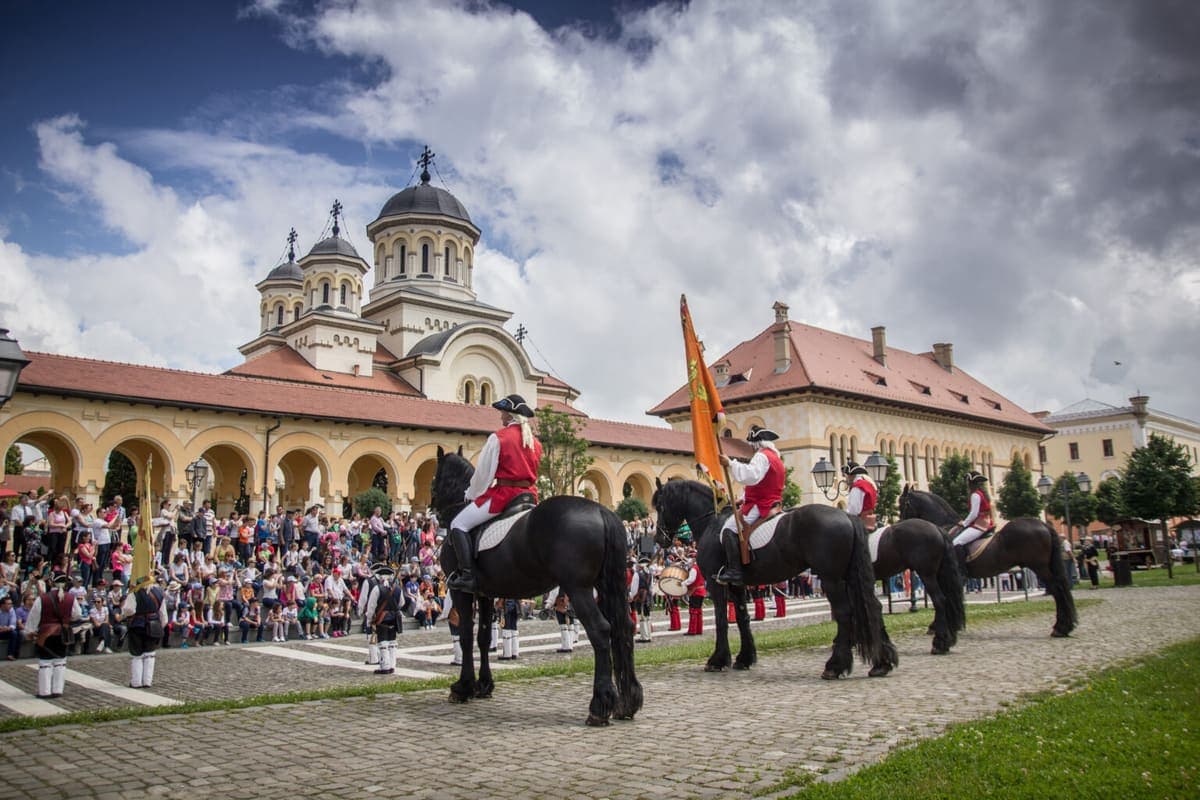
Changing of the Guard
The changing of the guard ceremony, performed by the Citadel Guard in uniforms inspired by the Austrian army, takes place within the Citadel during the tourist season, between the Fourth Gate and the Third Gate.
The schedule varies by season and from year to year — check the current dates before your visit.
 Church
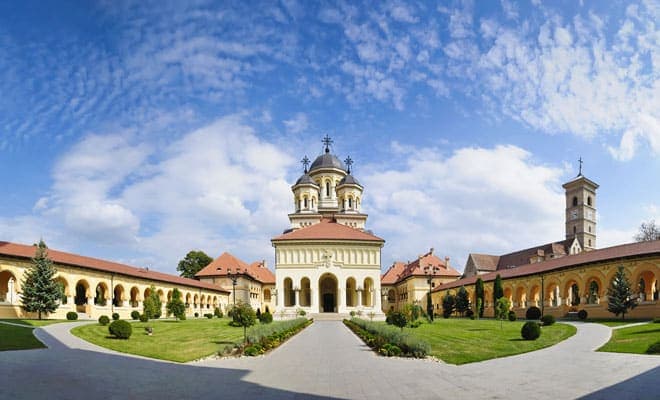
Coronation Cathedral
An Orthodox cathedral built in 1921–1922 in the Neo-Brâncovenesc style, raised for the coronation of the sovereigns of Greater Romania; a symbol of the Union.
On 15 October 1922, King Ferdinand and Queen Marie were crowned in the cathedral courtyard, in the open air.
 Church
St Michael’s Roman Catholic Cathedral
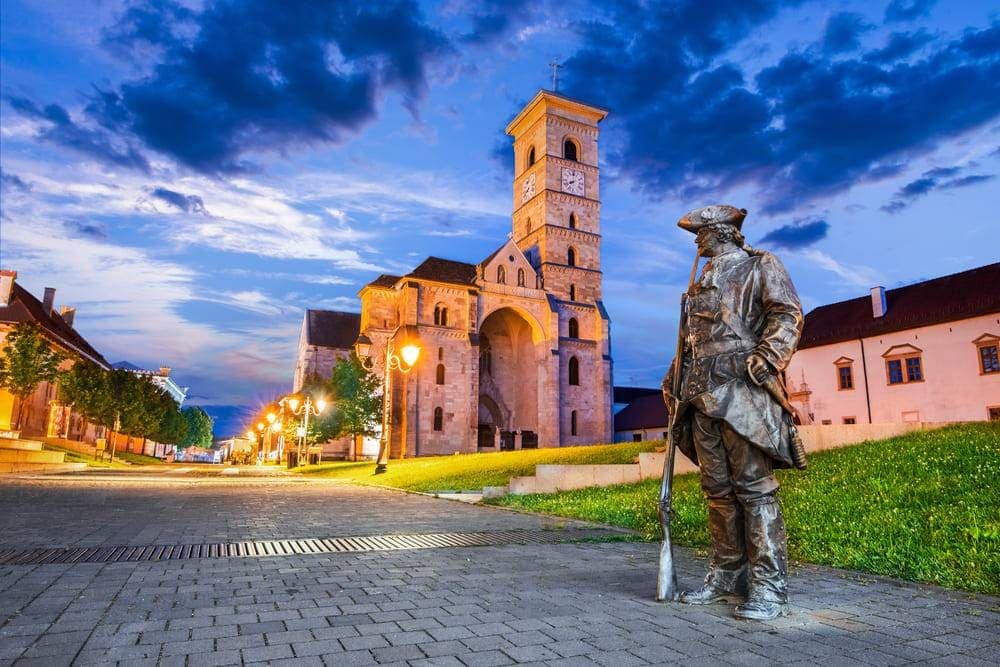
A Roman Catholic cathedral within the Citadel, the most valuable Romanesque and Gothic monument in Transylvania, built mainly in the 13th century.
It is the oldest and longest cathedral in Romania (around 93 m) and houses the sarcophagus of John Hunyadi.
 Museum
National Museum of the Union
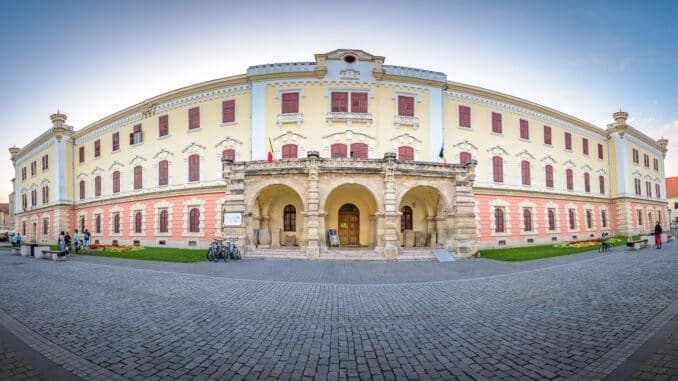
A history museum inaugurated in 1888 (the National Museum of the Union since 1992), with collections of prehistoric, Dacian, Roman and medieval archaeology and testimonies of the 1918 Union.
The complex includes the Union Hall, the building where, on 1 December 1918, the union of Transylvania with Romania was voted.
 Museum
Union Hall
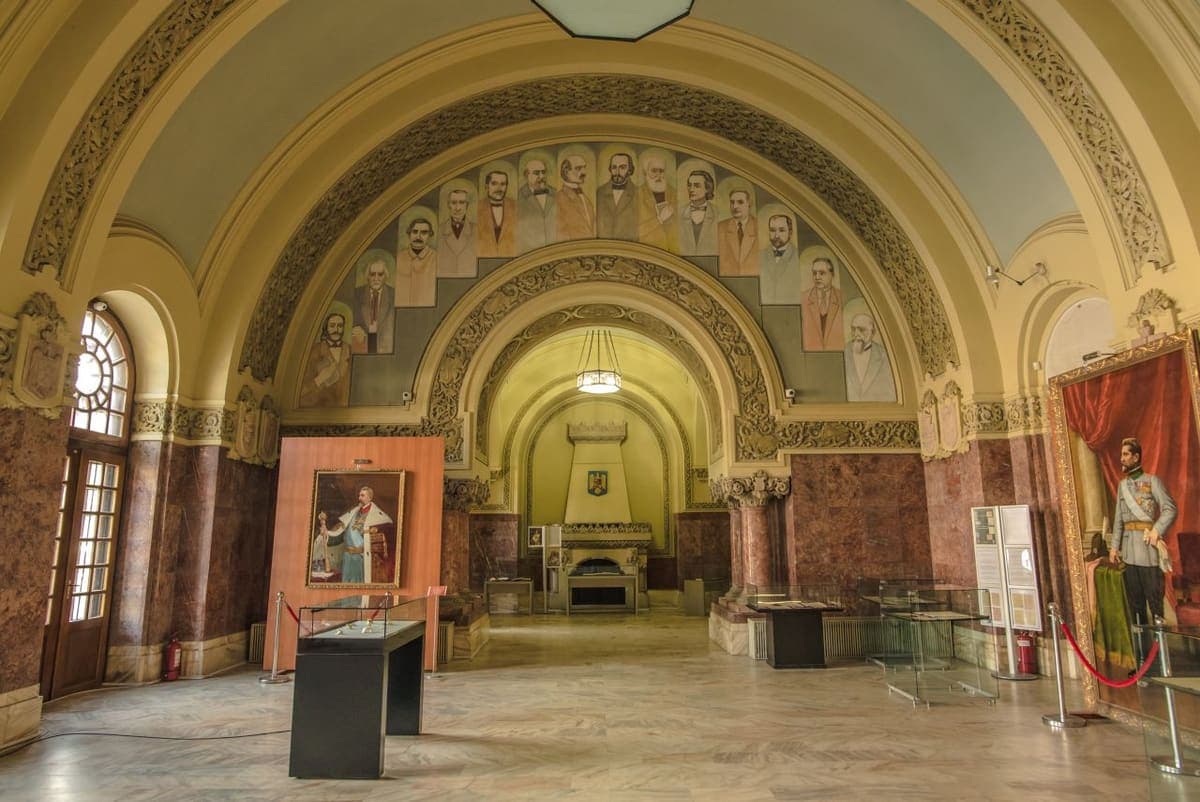
A building raised in 1898–1900 as the officers’ casino, which became a national symbol: here, on 1 December 1918, the union of Transylvania with Romania was proclaimed.
The Union Resolution was adopted by 1,228 delegates, in the presence of more than 100,000 people gathered at Alba Iulia.
 Landmark
The Route of the Three Fortifications
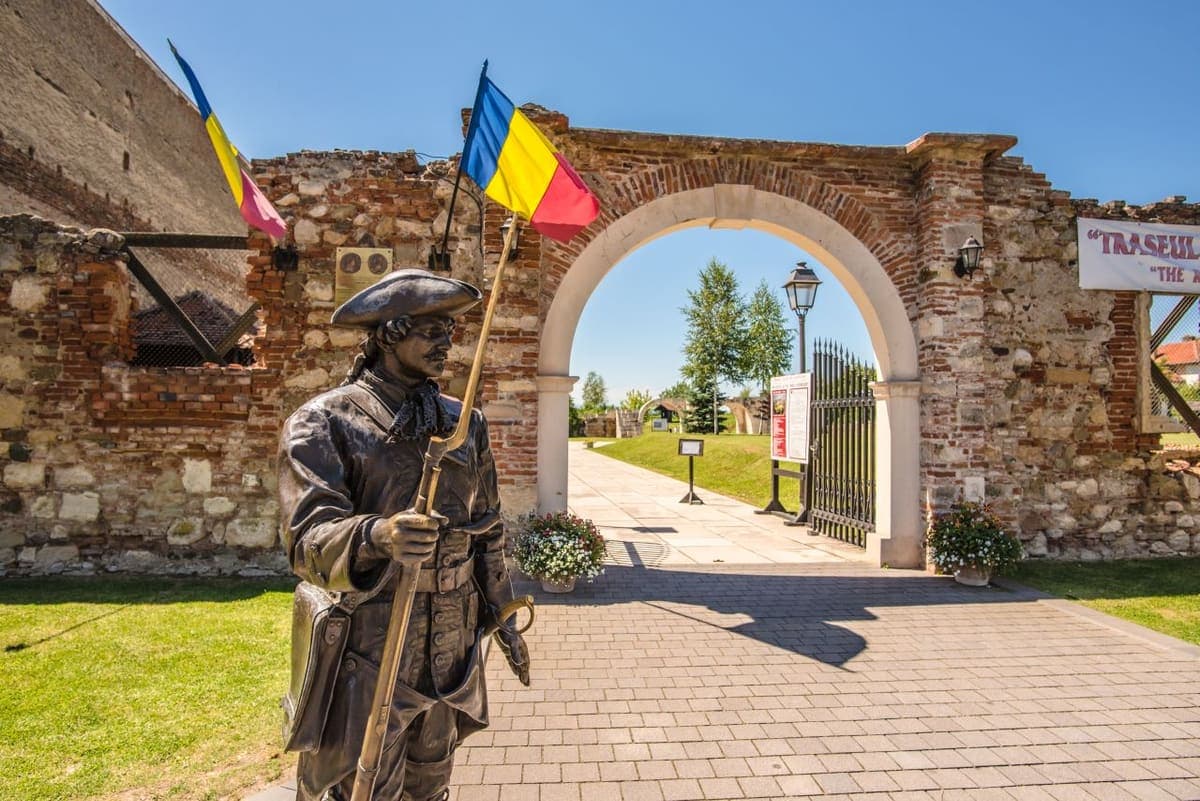
A trail that crosses, on the same site, the remains of three fortifications from different eras: the Roman fort, the medieval citadel and the Alba Carolina Vauban fortress.
On the Artillery Platform, three period cannons fire a salute in honour of the city’s flag every Saturday.
 Landmark
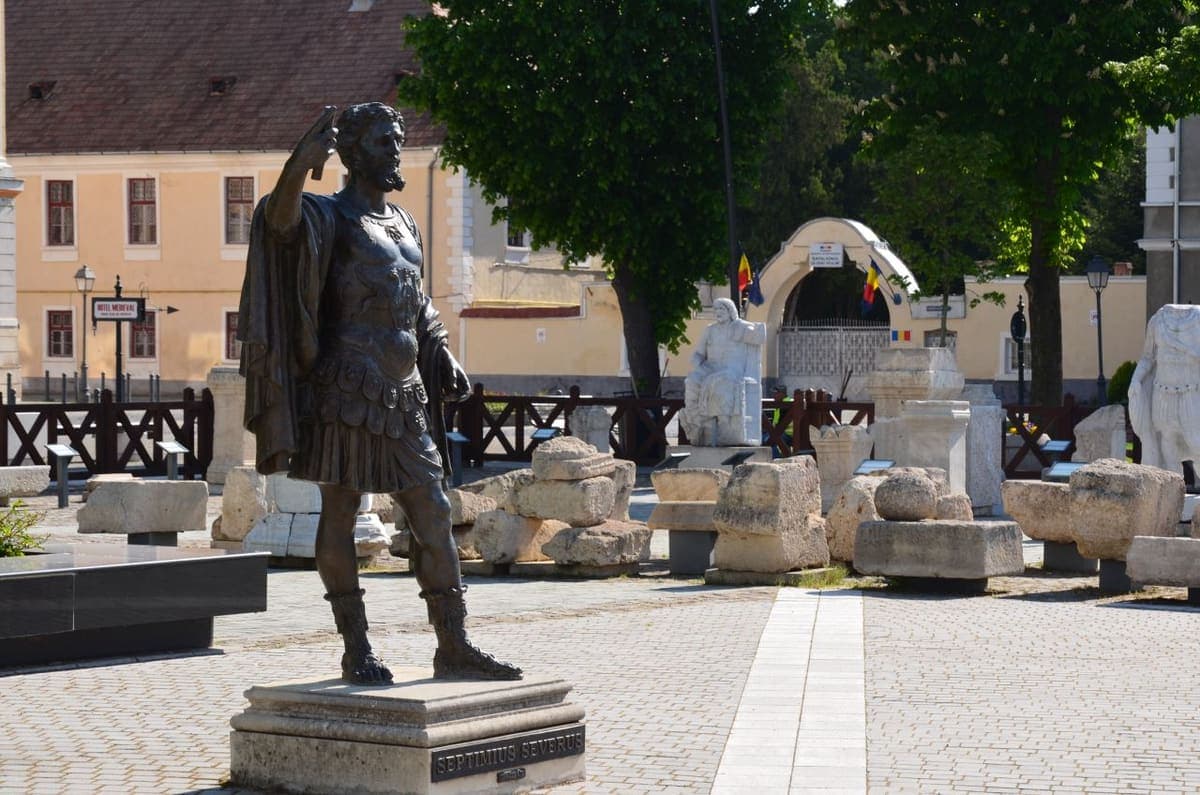
Principia – Apulum Roman Fort
The Apulum Roman fort was the base of the 13th Gemina Legion, with its headquarters building (the Principia) and the reconstructed south gate, open to visitors.
The 13th Gemina Legion, stationed here from AD 106, was the only legion permanently based in Dacia.
 Museum
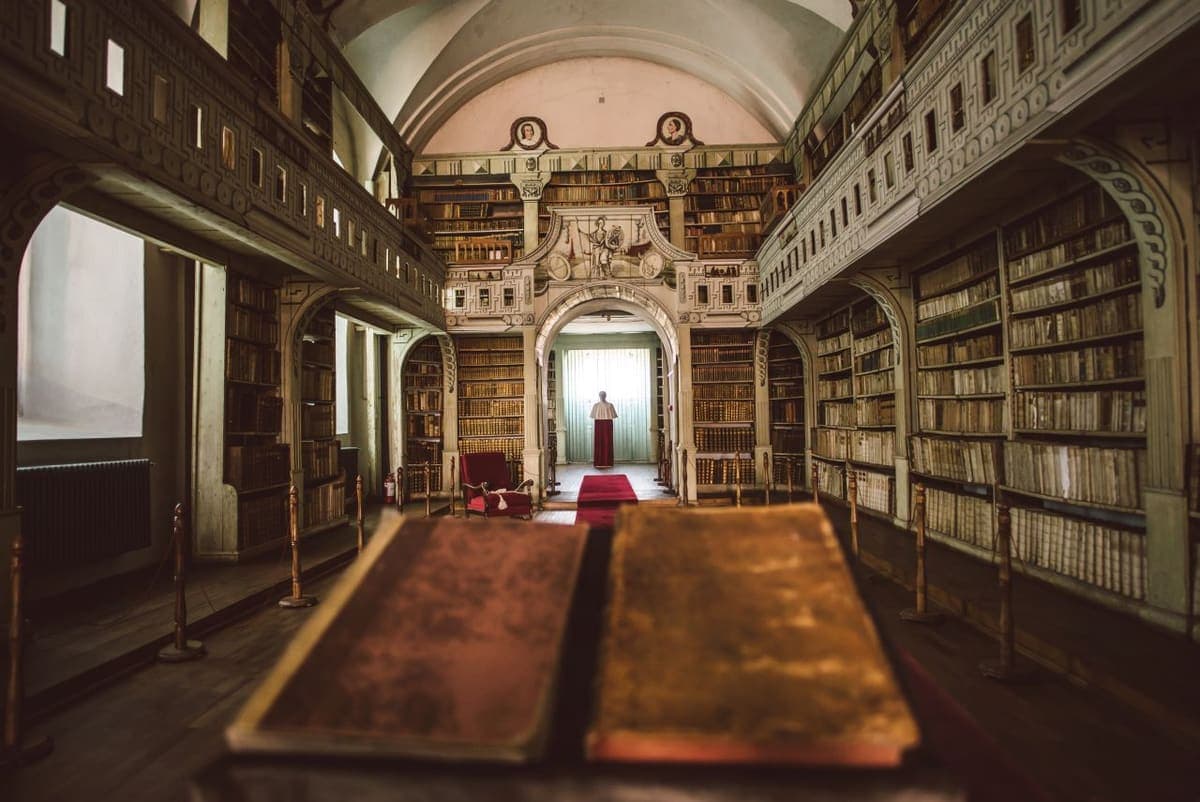
Batthyaneum Library
A library-museum founded in 1798 by Bishop Ignác Batthyány, in a former church; it preserves the largest collection of medieval manuscripts and incunabula in Romania.
It houses the Codex Aureus, a Carolingian gospel book written in gold (around 810), inscribed in 2023 on the UNESCO “Memory of the World” Register.
 Museum
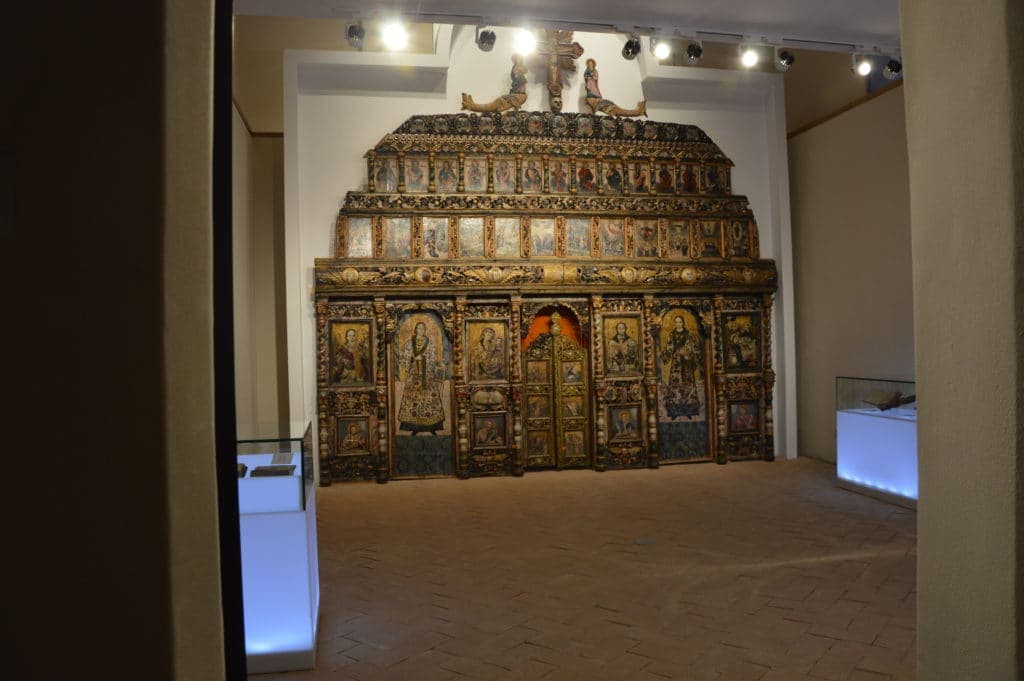
Museikon
A museum of religious art opened in 2017, the first museum of the icon and of old religious books in Romania, with icons on wood and on glass, old books and objects of worship.
It holds leaves from the oldest book printed in the Romanian language, the Sibiu Gospel Book (1551).
 Landmark
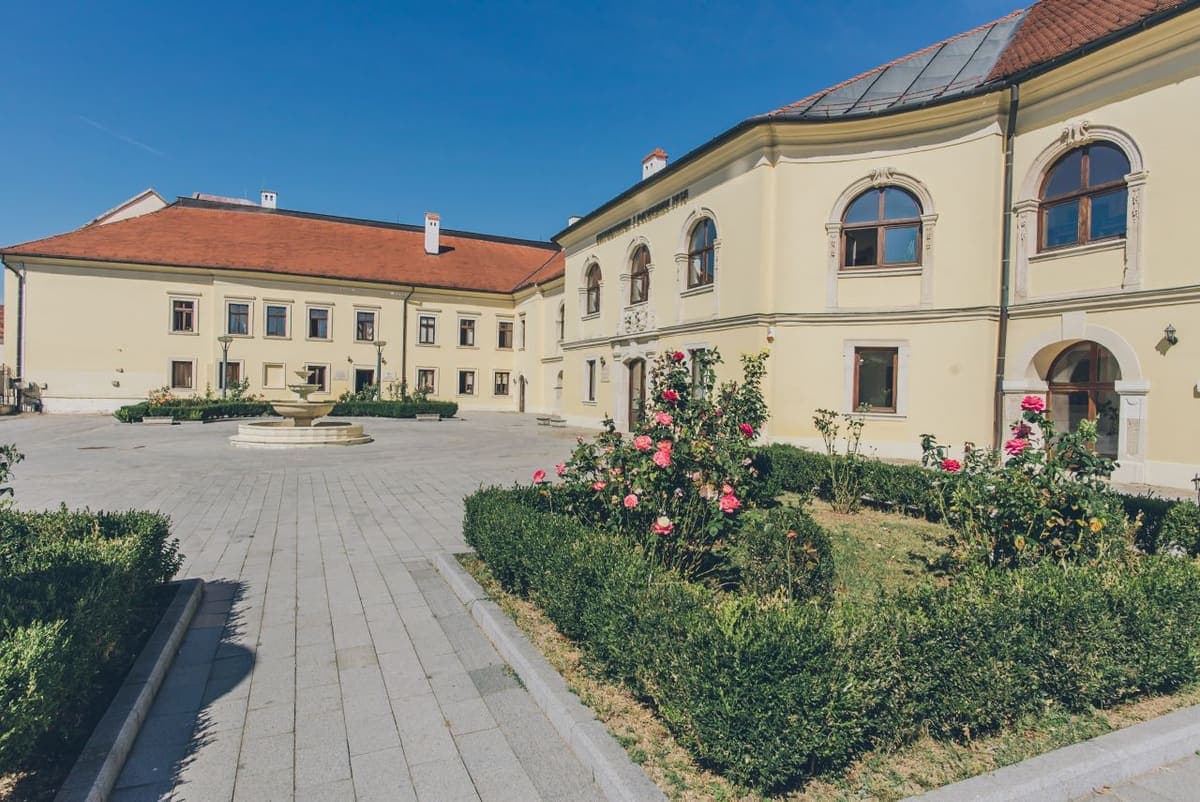
Apor Palace
A palace raised in the second half of the 17th century by Count Ștefan Apor; considered the first Baroque civil building in Transylvania, today part of the “1 Decembrie 1918” University.
In the early 18th century it was the residence of Count Steinville, commander of the imperial troops in Transylvania.
 Landmark
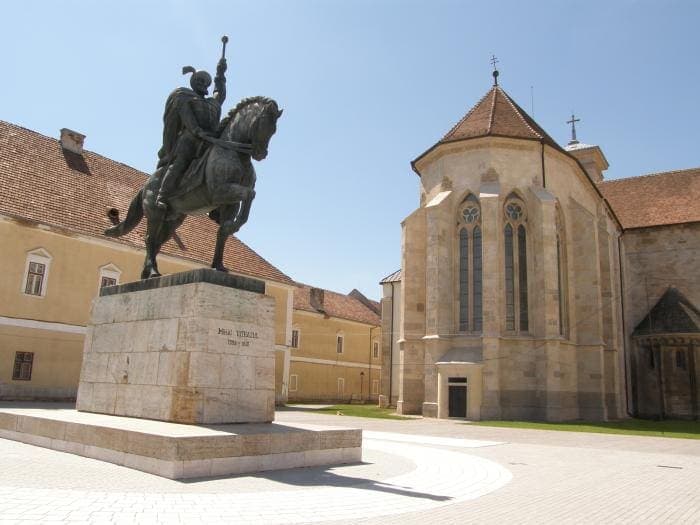
The Statue of Michael the Brave
An equestrian statue of Michael the Brave, the prince who in 1599 entered Alba Iulia and, for the first time, united Wallachia, Moldavia and Transylvania under his rule.
Alba Iulia was the capital of the first union of the three Romanian lands, achieved by Michael the Brave in 1600.
 Landmark
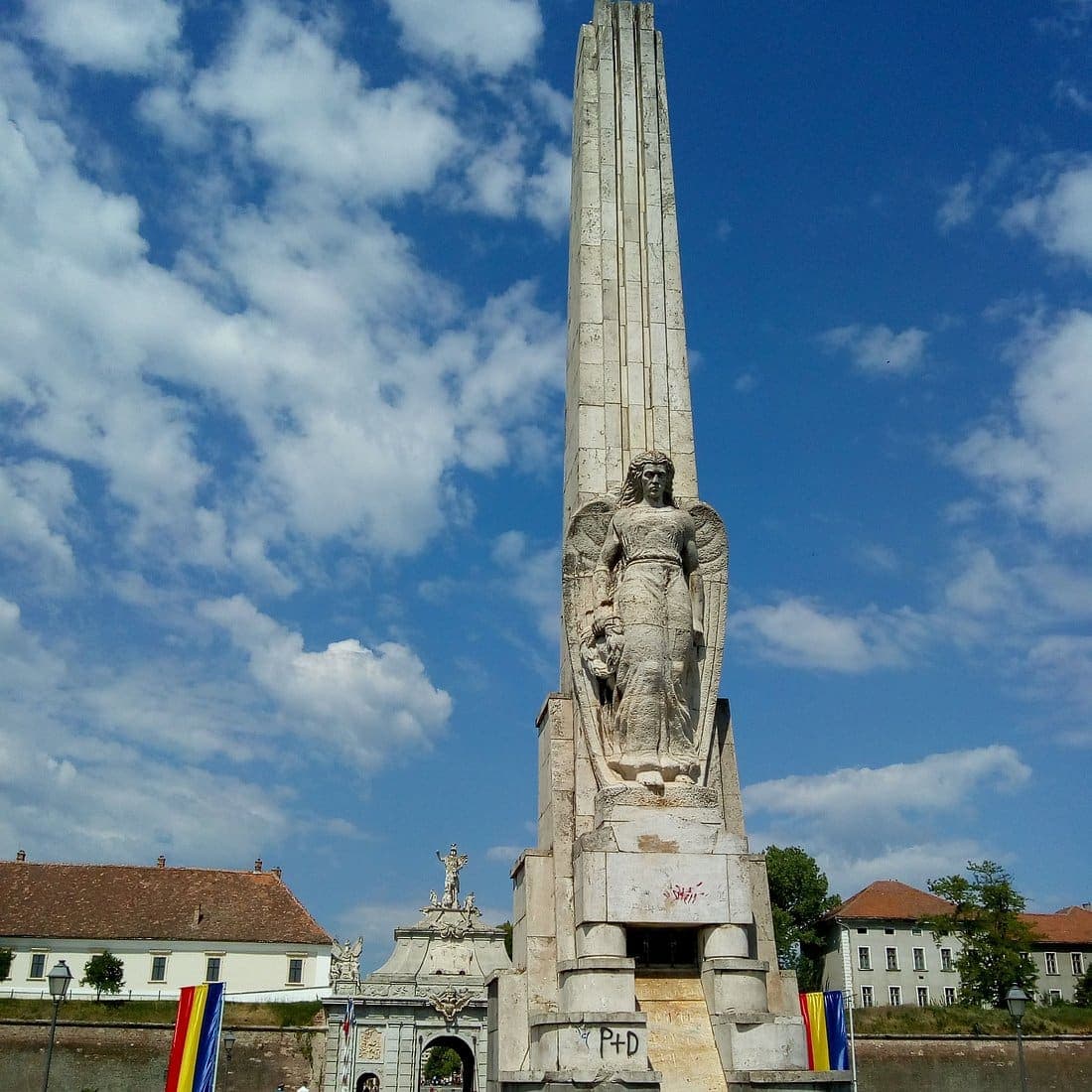
The Horea, Cloșca and Crișan Obelisk
A monument raised in memory of Horea, Cloșca and Crișan, the leaders of the 1784 Transylvanian peasant revolt, which is closely linked to Alba Iulia.
The 1784 revolt was one of the largest peasant movements in the history of Transylvania.
 Landmark
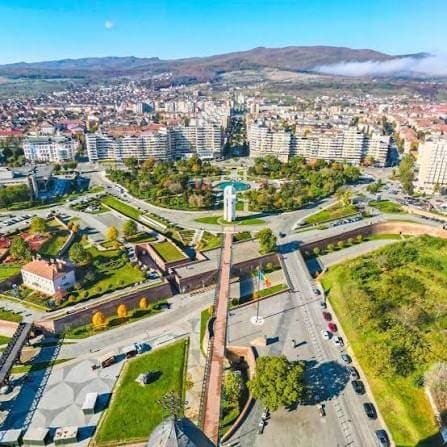
Union Park
A green space laid out in the central area of Alba Iulia, good for a relaxed stroll near the Citadel and the historic sights.
Plan your days and stay just steps from everything.
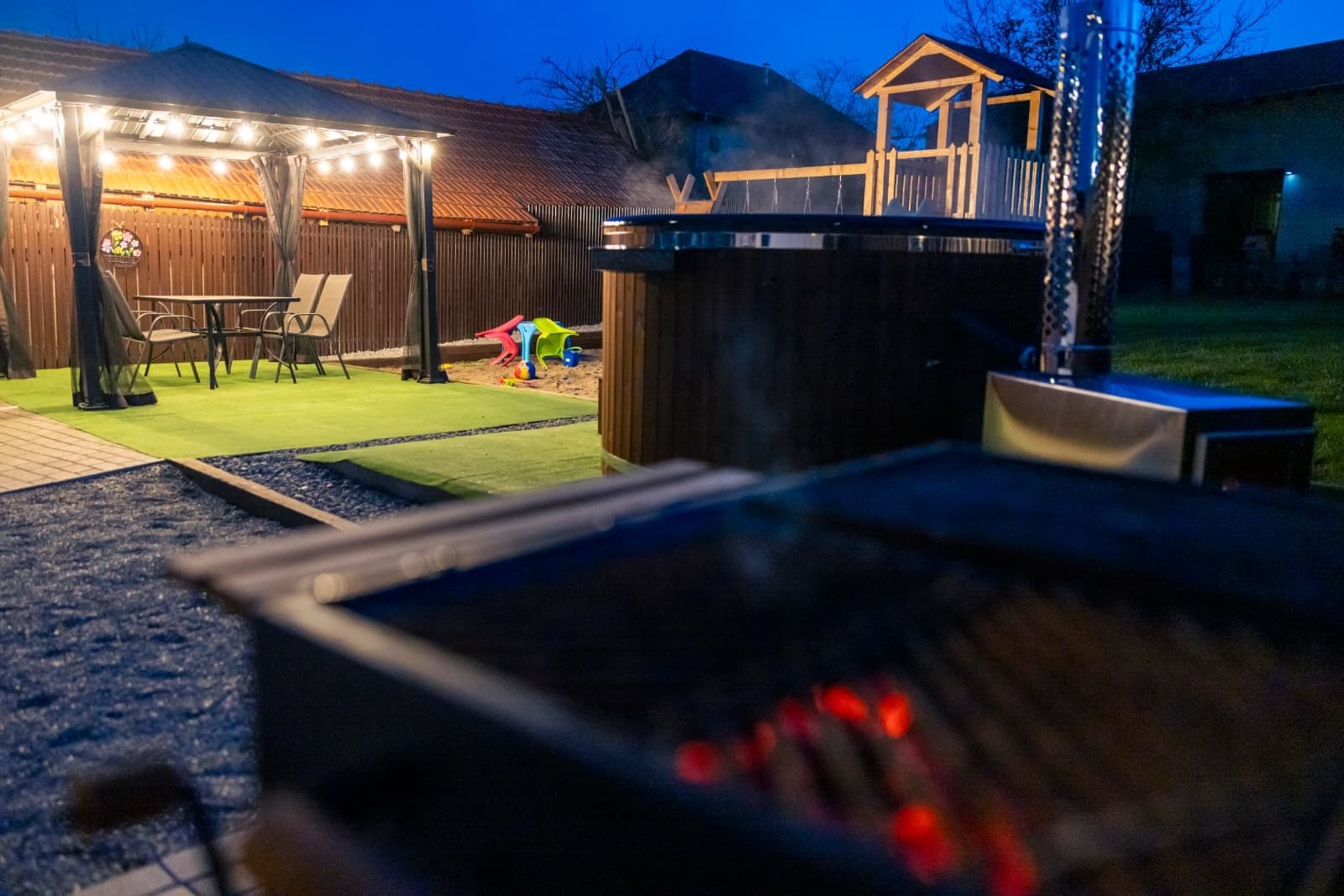
With the Citadel and old town nearby, you get around on foot and return easily to the private garden.